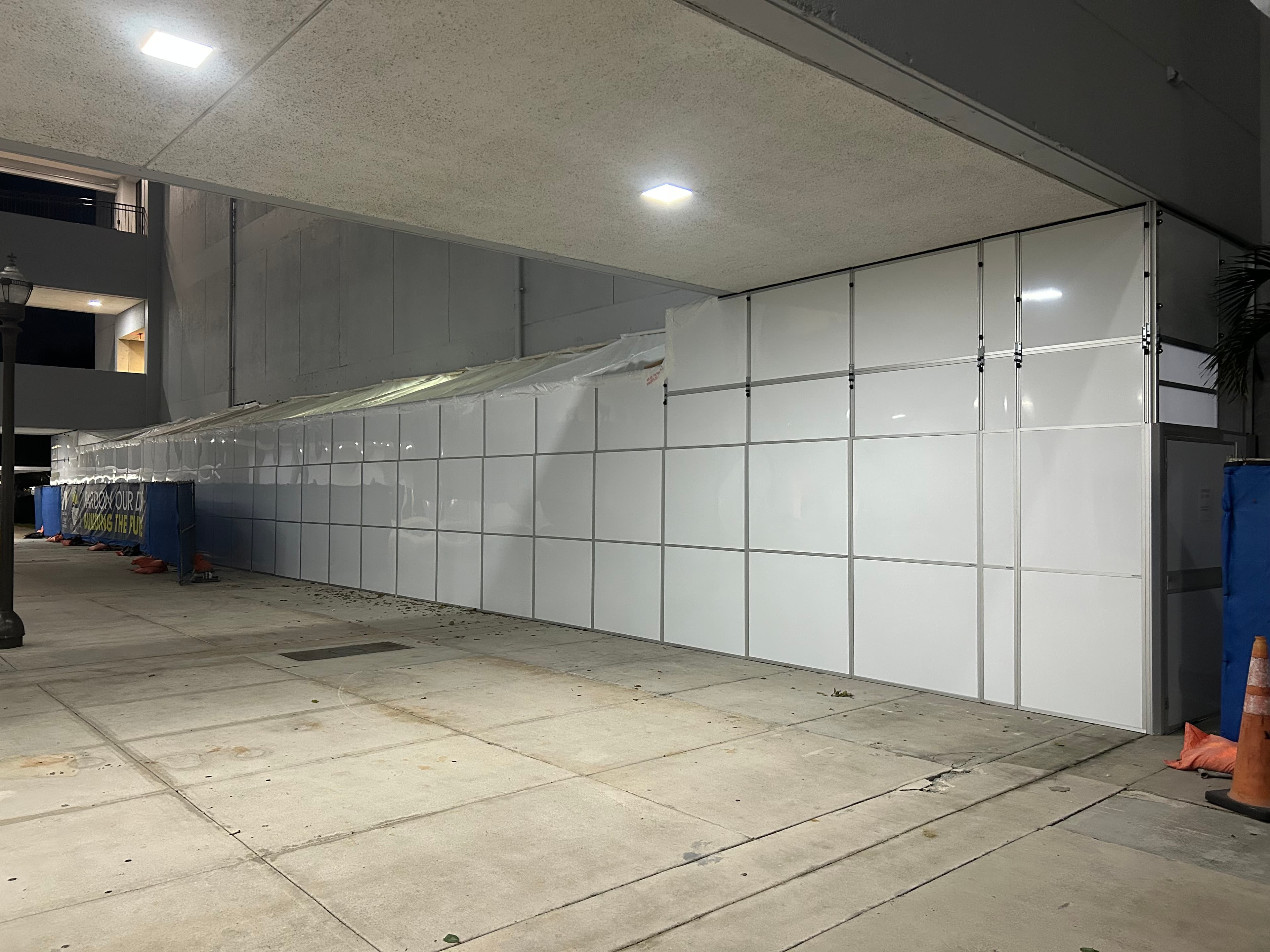
01 / Use Case · Southeast Florida
ICRA & Dust Containment for Medical Facilities
Barriers and dust control together for healthcare renovation: Class I–IV construction, 100% dust containment.
- ComplianceICRA Class I–IV
- ConstructionSealed & Gasketed
- CoverageTreasure Coast → The Keys














What's included
ICRA is the process that decides how construction dust gets controlled in a care setting: assess the risk, assign a class, build the containment that class requires. The classification comes first and everything else follows from it — which is why "how much containment do we need" is a question the risk assessment answers, not the contractor. This work pairs our ICRA barriers and dust containment — two things we do on projects across Southeast Florida, brought together here. Anti-microbial panels, gasketed seals, and managed wall penetrations go into every barrier we build, whatever the job spec happens to call it.
- Class I–IV barrier construction
- Negative-pressure ready
- HEPA & airlock compatible
- Managed wall penetrations
- Flexible installation scheduling
- Phased reconfiguration
- Sealed, gasketed panel construction
02 / Industries we serve
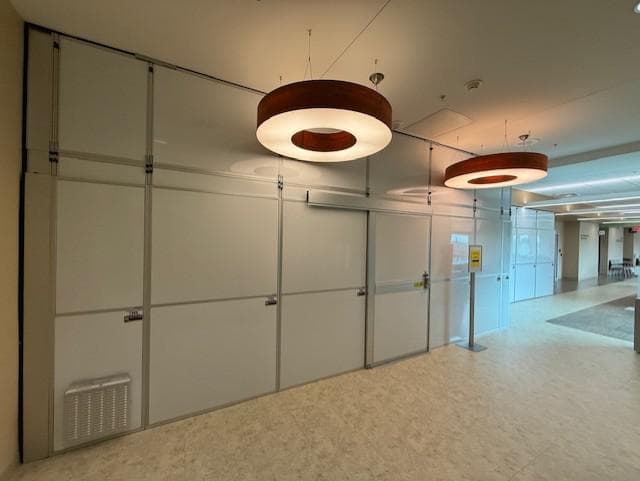
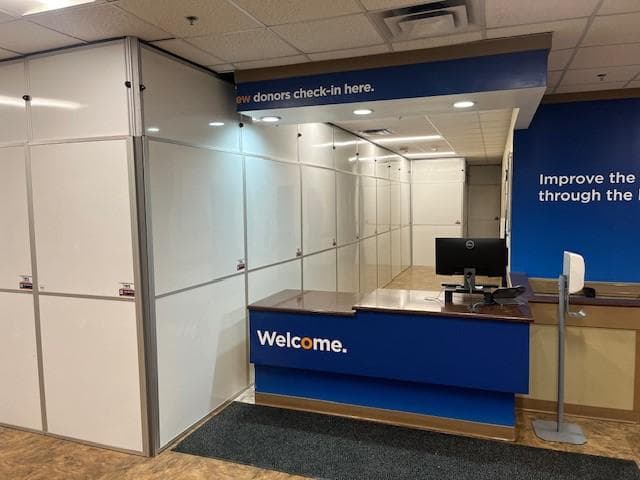
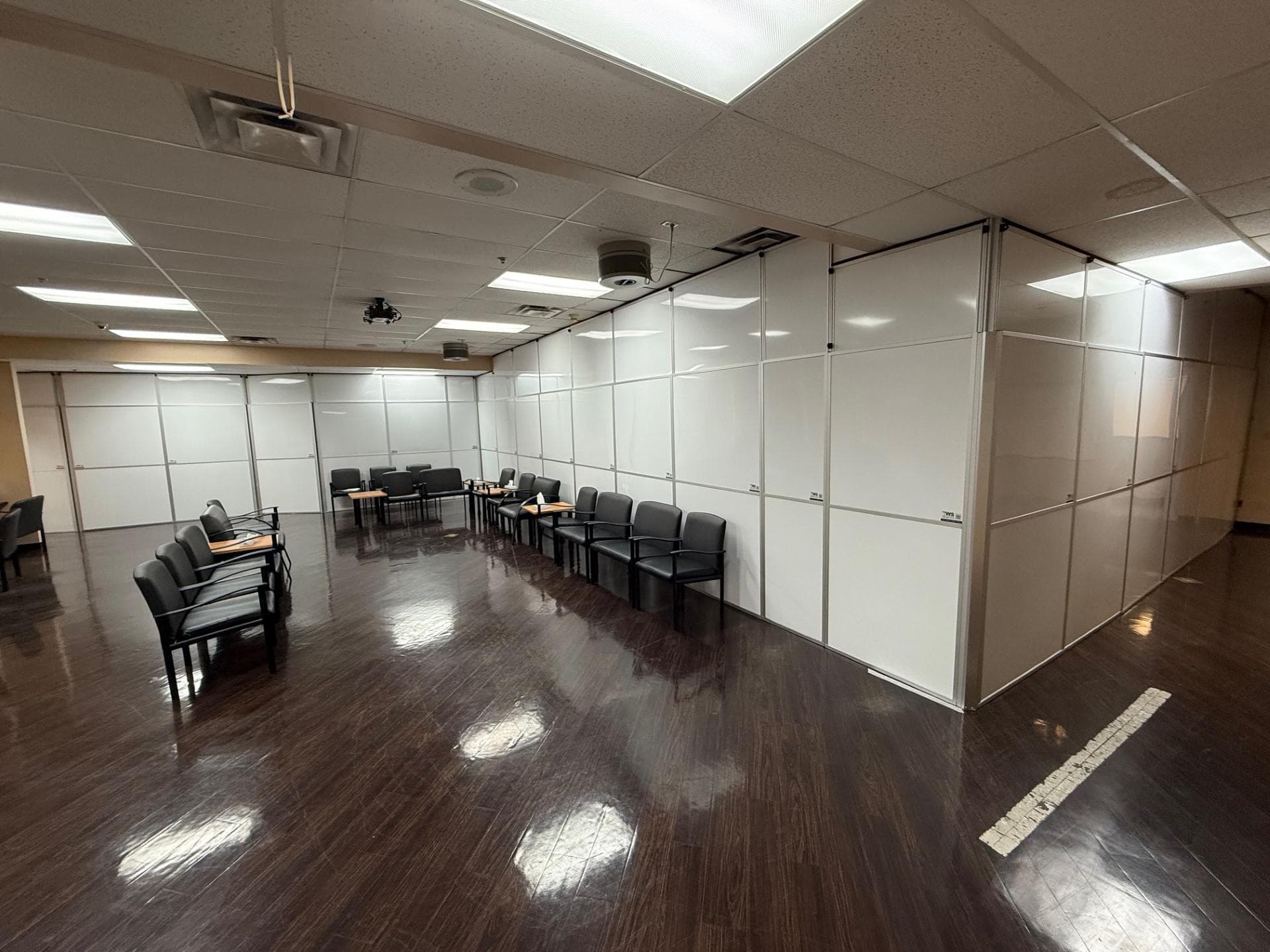
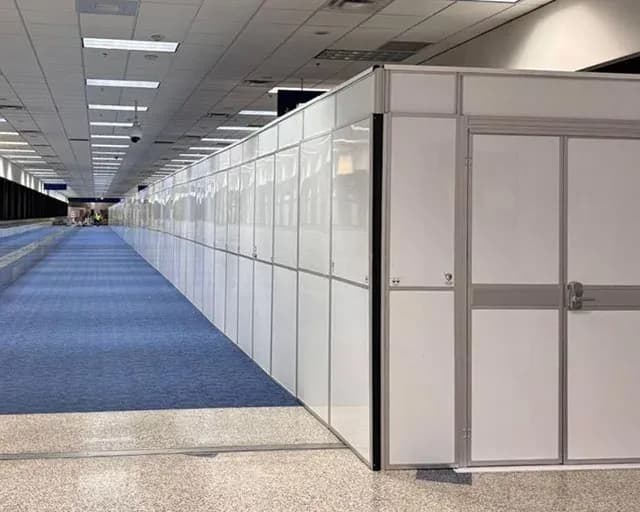
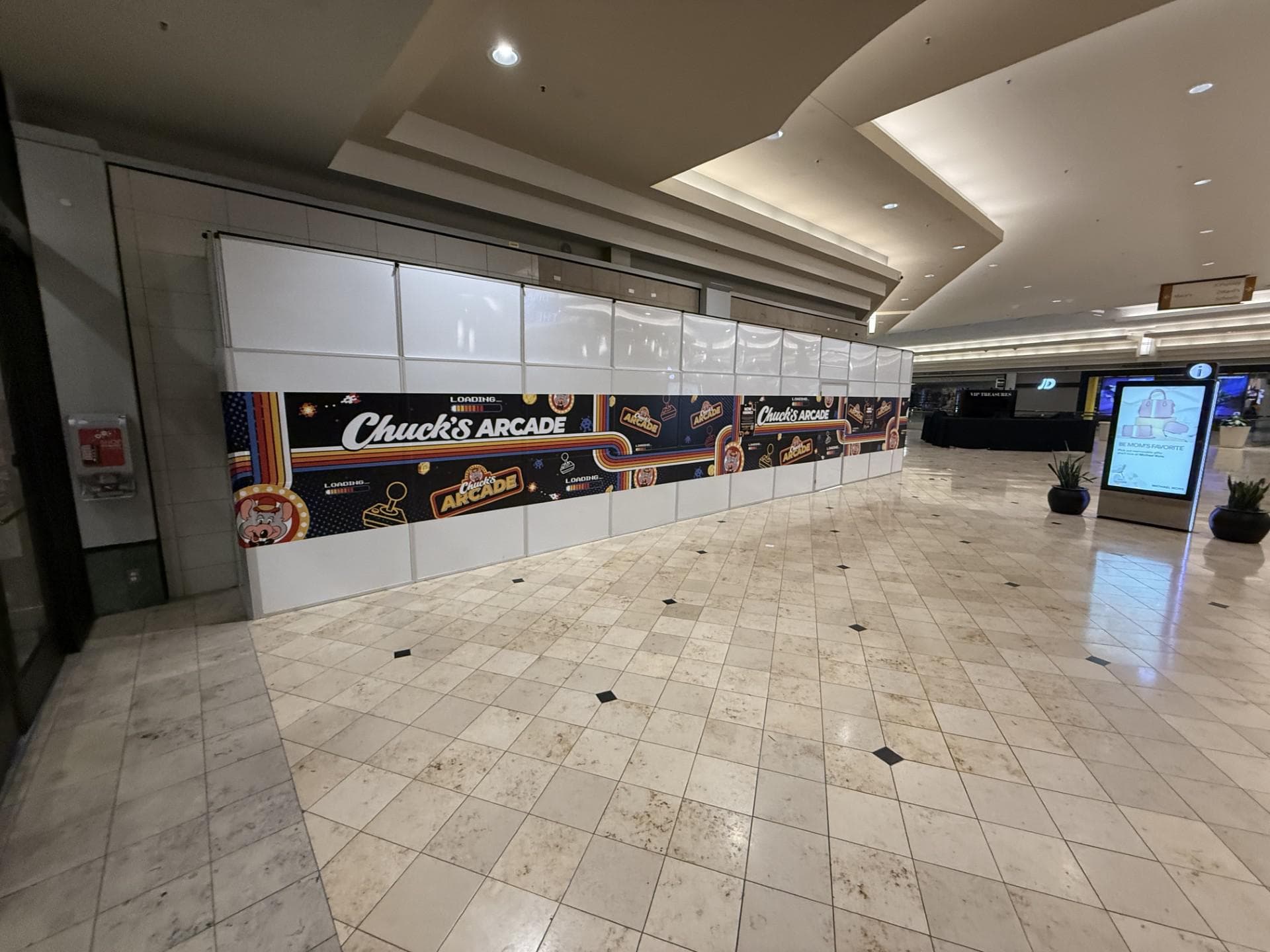
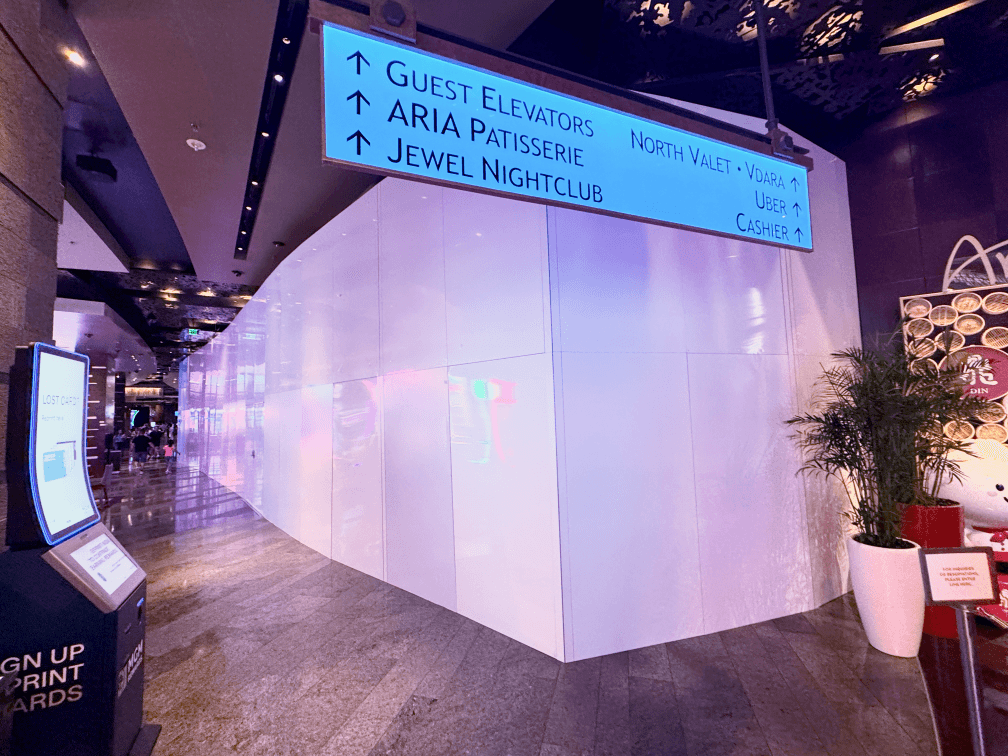
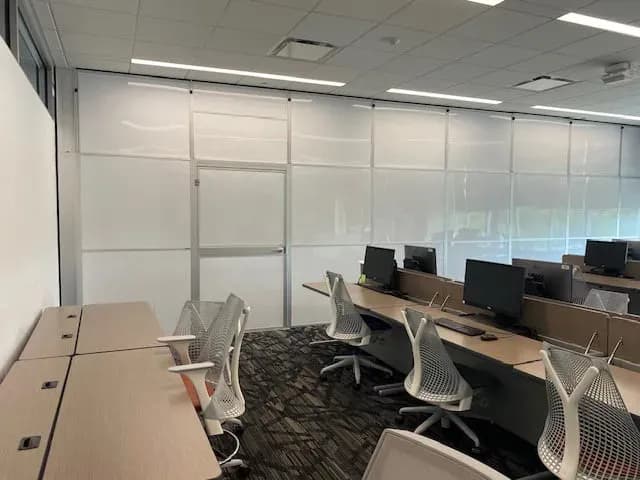
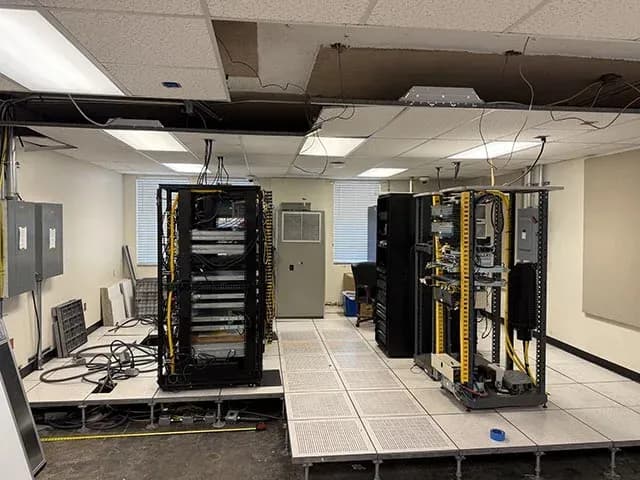
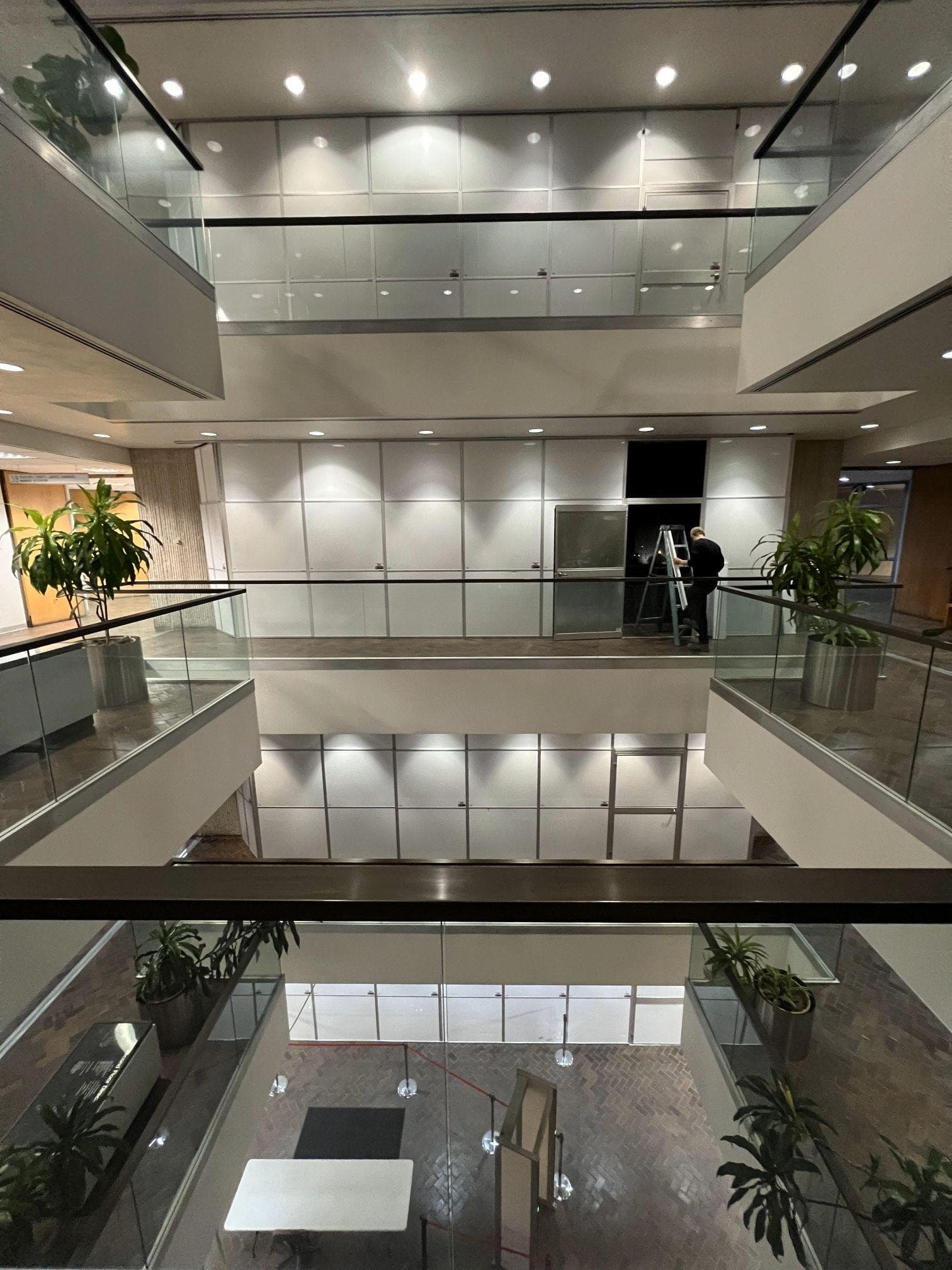
Making construction zones blend in.
03 / What this environment demands
Why icra & dust containment for medical facilities is its own problem.
Classification precedes construction
The class is assigned before the barrier is designed. It sets what the containment has to do.
Higher classes add air requirements
As the class rises, negative pressure and HEPA filtration move from optional to expected.
The requirement follows the work
Move into a more sensitive area and the class can change with it, mid-project.
We work in every kind of healthcare facility — if your setting isn't listed here, it's still one we cover. These pages exist because people search by department, not because the list is a limit.
FAQ
Common ICRA & Dust Containment for Medical Facilities questions
Have questions? Call or text (561) 777-4958.
What do the ICRA classes actually change?
How much the barrier has to do. Lower classes may need dust control alone; higher ones add negative pressure and HEPA filtration. We build Class I through IV.
Who assigns the class?
The facility's infection-control team, through the risk assessment. We build to what it specifies.
Do you handle ICRA & Dust Containment for Medical Facilities?
Yes — anywhere from the Treasure Coast down to the Keys. It's built with our ICRA barriers and dust containment.
What's the difference between an ICRA barrier and an ICRA panel?
Nothing — it's the same modular, gasketed wall system. Contractors and infection-control teams just tend to use both words for it.
What ICRA classes can you build to?
Class I through IV. Your infection-control risk assessment sets the class, and we build to it — negative-pressure ready and HEPA compatible at any level.
04 / Start the project
Tell us about your project.
A short conversation gets you a clear proposal — scope, timeline, and pricing.